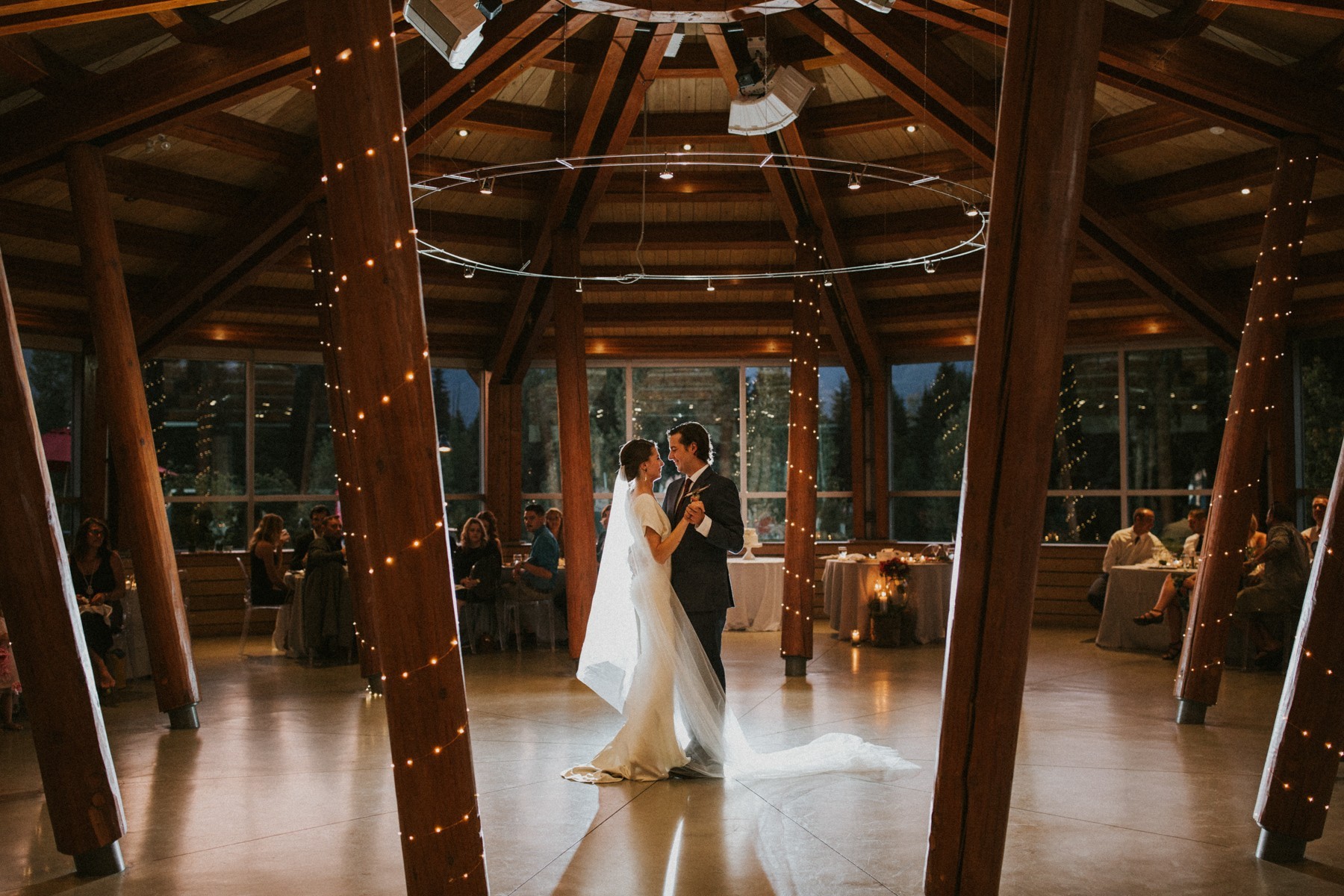
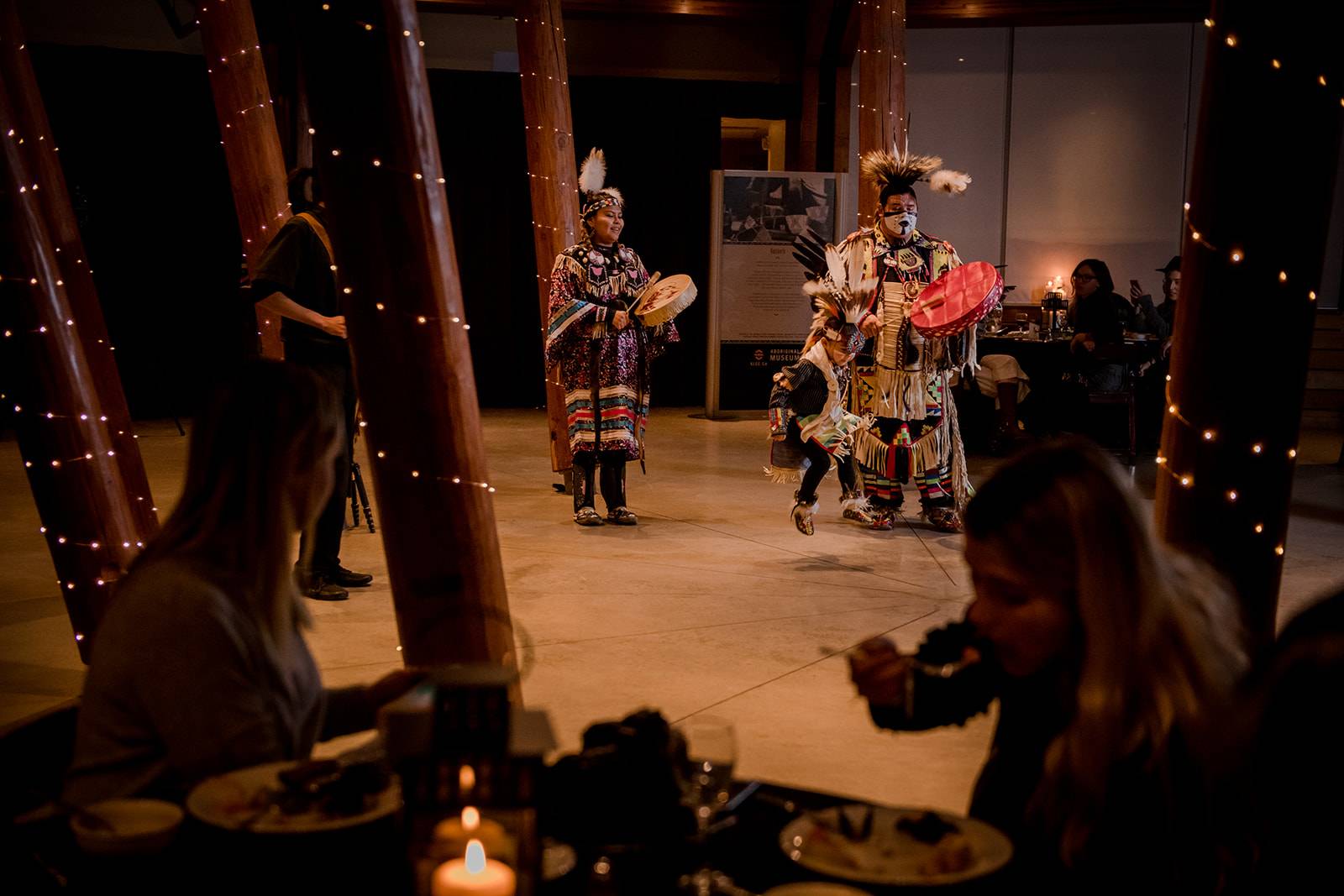
There are many inspiring attributes about the SLCC as a wedding venue, the most inspiring being personally determined by what speaks to a couple. There are a breadth of assets
Blankets have a deeply woven history with Indigenous peoples in North America. Originally created from fur, animal hides, grasses or cedar bark, traders introduced blankets in the 1800s that were
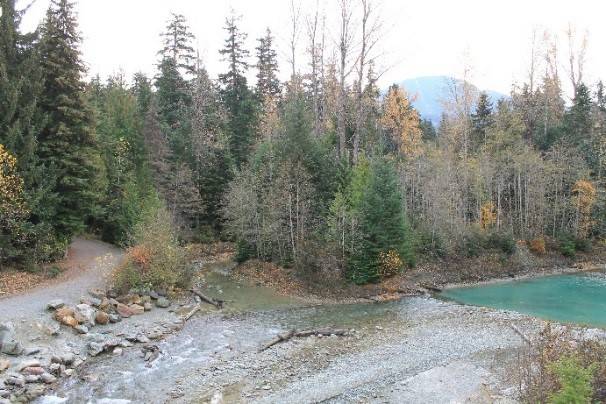
One of the most frequently asked questions at the Squamish Lil’wat Cultural Centre (SLCC) is why this location was chosen to build our museum. The Cultural Ambassadors’ (our front line
When the rains began in the fall the Sk̲wx̲wú7mesh Úwumixw and Lil’wat7ul made sure their families had their winter stocks full for settling into their winter homes.
I’m very honoured to be invited to join the Commonwealth Association of Museums for their workshop ‘Museum Education in the Pacific’ in Suva, Fiji this past month.
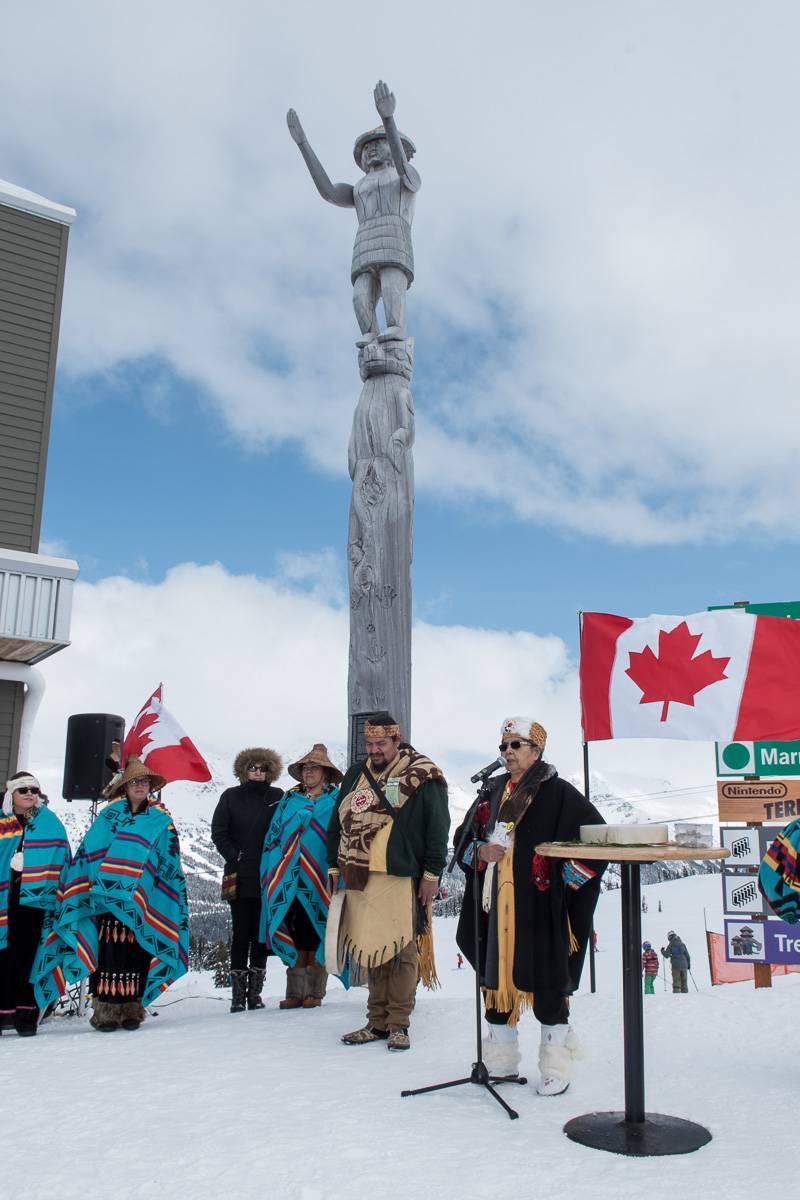
Placed next to the Peak to Peak Gondola on Whistler Mountain, the Salish Welcome Figure welcomes you to the shared territory of the Sk̲wxwú7mesh Úxwumixw (Squamish Nation) and the Líl̓wat7ul
The Squamish Lil’wat Cultural Centre symbol represents two Nations (Squamish + Lil’wat Nation) on a shared journey. The red color of the logo represents a traditional paint made form a
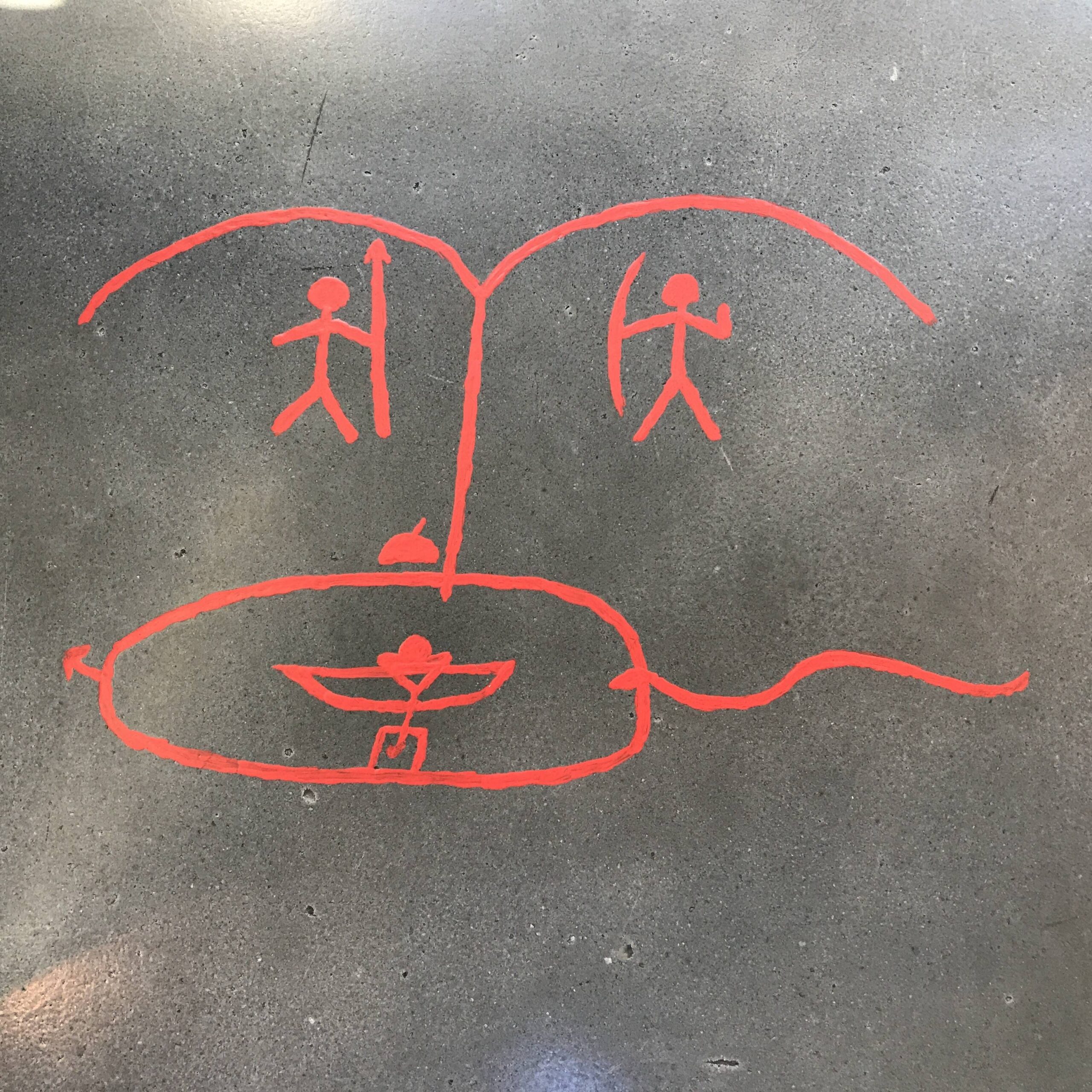
This drawing (above) of the Lil’wat Landscape can be found on the floor at the SLCC and was painted by Lil’wat Nations Cultural Technician, Johnny Yaqalatqa7 ‘Weather Changer’ Jones. It
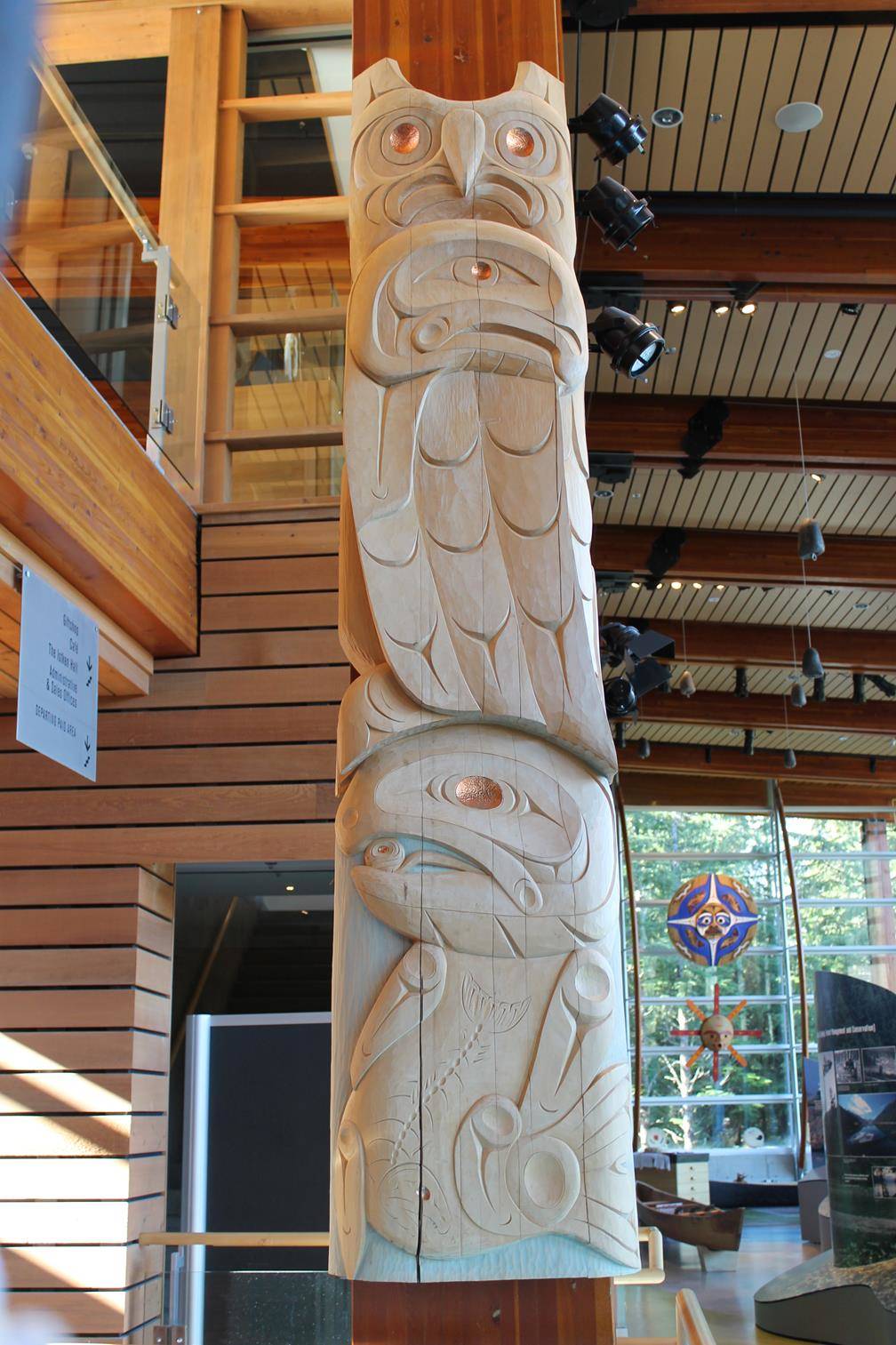
Standing proudly, overlooking the Great Hall, the traditional carvings represent the families of our Nations. They all have different functions and stories attached to them. The miniature house post stands overlooking